Overcoming Limiting Beliefs
Break Free From What’s Holding You Back
Limiting beliefs can prevent you from reaching your full potential, pursuing new opportunities, and living the life you truly want. Whether you’re struggling with self-doubt, fear of failure, negative thinking, or the feeling that you’re simply not good enough, these beliefs can create invisible barriers to personal growth. Empower Me Hub helps you recognize and challenge the thoughts and assumptions that may be holding you back. Through practical resources, personal development strategies, expert insights, and self-reflection exercises, you’ll learn how to replace limiting beliefs with a more positive, confident, and empowering mindset.
At Empower Me Hub, we believe meaningful personal growth begins when you change the way you see yourself and what’s possible for your future. Our supportive community, educational workshops, actionable tools, and personal growth challenges help you build self-awareness, strengthen your confidence, and develop healthier thinking patterns. You’ll discover how to move beyond fear, embrace new possibilities, and take meaningful steps toward your personal and professional goals.
By learning to overcome limiting beliefs, you can create lasting changes in your mindset, your decisions, and ultimately, the direction of your life.

Benefits of Overcoming Limiting Beliefs
1. Increased Self-Confidence
Believe in your abilities, recognize your strengths, and develop the confidence to pursue opportunities without constantly questioning your worth or potential.
2. Greater Personal Growth
Move beyond your comfort zone, embrace new experiences, and discover abilities and possibilities you may have previously thought were out of reach.
3. Reduced Fear of Failure
Stop allowing the fear of making mistakes to hold you back. Learn to view setbacks as valuable learning experiences rather than reasons to give up.
4. Improved Decision-Making
Make choices based on your goals, values, and opportunities rather than allowing self-doubt, fear, or negative assumptions to control your decisions.
5. Stronger Relationships
Develop healthier connections by overcoming beliefs about rejection and unworthiness. Communicate more openly and establish positive boundaries.
6. Greater Motivation and Productivity
Replace thoughts like “I can’t do this” with an action-oriented mindset that encourages you to take initiative, stay focused, and make consistent progress.
7. Increased Resilience
Build the mental strength to navigate challenges, recover from disappointments, and continue moving forward even when life doesn’t go according to plan.
8. More Career and Financial Opportunities
Stop underestimating your capabilities and become willing to pursue career advancement, business opportunities, financial goals, and professional development.
9. Improved Emotional Well-Being
Reduce unnecessary self-criticism and feelings of inadequacy by developing a more balanced, compassionate, and empowering perspective of yourself.
10. Greater Sense of Purpose and Fulfillment
Break free from beliefs that limit your dreams and ambitions. Gain the freedom to pursue goals, explore your passions, and create a life aligned with your values.
How Empower Me Hub Helps...
Empower Me Hub provides the guidance, resources, and supportive community to help you identify limiting beliefs, challenge negative thinking, and build a more empowering mindset. Through personal growth workshops, practical exercises, expert insights, and community encouragement, you’ll learn how to turn self-doubt into confidence, obstacles into opportunities, and personal aspirations into meaningful action.
Your beliefs shape your possibilities. Change what you believe is possible, and you can begin changing what’s possible in your life.
FAQs for Overcoming Limiting Beliefs
What are limiting beliefs, and how do they affect your life?
Limiting beliefs are negative thoughts or assumptions about yourself, your abilities, or your opportunities that prevent you from reaching your full potential. Common examples include “I’m not good enough,” “I’m too old to start something new,” or “I’ll never be successful.” These beliefs can influence your decisions, reduce self-confidence, and discourage you from pursuing personal or professional goals. Recognizing limiting beliefs is the first step toward challenging them and creating a more empowering mindset.
How can I identify the limiting beliefs that are holding me back?
Start by paying attention to recurring negative thoughts, fears, and excuses that arise when you consider trying something new or pursuing an important goal. Ask yourself questions such as “What am I afraid will happen?” or “Why do I believe I can’t accomplish this?” Journaling, self-reflection exercises, and feedback from trusted individuals can help uncover hidden beliefs. Once identified, you can begin questioning whether these thoughts are based on facts, past experiences, or assumptions that no longer serve you.
Where do limiting beliefs come from?
Limiting beliefs often develop through childhood experiences, family influences, cultural expectations, past failures, criticism, or negative relationships. For example, someone who experienced repeated criticism growing up may develop the belief that they are incapable of succeeding. Over time, these beliefs can become deeply ingrained and influence how individuals view themselves and the world. Understanding where your limiting beliefs originated can help you recognize that they are learned perspectives rather than permanent truths.
What are the most common limiting beliefs people struggle with?
Some of the most common limiting beliefs include “I’m not smart enough,” “I don’t deserve success,” “I’m too old to change,” “I always fail,” “I don’t have enough time,” and “Other people are more capable than me.” These beliefs can affect relationships, careers, finances, confidence, and personal happiness. Although everyone experiences self-doubt occasionally, repeatedly accepting these thoughts as facts can create unnecessary barriers to growth. Learning to challenge them opens the door to new opportunities and possibilities.
How can I change negative thoughts into empowering beliefs?
Begin by recognizing negative thought patterns and questioning whether they are accurate. Instead of thinking “I’m terrible at learning new things,” try reframing the thought as “I can improve my skills through practice and patience.” Focus on realistic, encouraging statements supported by evidence and personal experiences. Positive self-talk, journaling, mindfulness, and setting achievable goals can help reinforce healthier thinking patterns. Consistently practicing these techniques can gradually change how you respond to challenges and opportunities.
How long does it take to overcome limiting beliefs?
The time required to overcome limiting beliefs varies depending on how deeply rooted they are, how frequently they influence your behavior, and your commitment to personal growth. Some people notice improvements in their thinking within weeks, while others may need months or longer to change long-standing patterns. The key is consistency rather than expecting immediate transformation. Regular self-reflection, practicing new behaviors, celebrating small victories, and receiving encouragement can help create lasting changes in your mindset.
Can overcoming limiting beliefs improve my confidence and self-esteem?
Yes. Limiting beliefs often contribute to self-doubt, fear of failure, and feelings of inadequacy. When you begin challenging these beliefs and recognizing your strengths, you create opportunities to build greater confidence and self-esteem. Taking small actions outside your comfort zone and acknowledging your accomplishments reinforces your ability to succeed. Over time, this process can help you develop a healthier self-image, become more comfortable taking risks, and approach new experiences with greater optimism.
How do limiting beliefs affect relationships and career success?
Limiting beliefs can influence how you communicate, establish boundaries, pursue opportunities, and interact with others. In relationships, beliefs such as “I don’t deserve love” or “My opinions don’t matter” may lead to insecurity, avoidance, or difficulty expressing your needs. Professionally, thoughts like “I’m not leadership material” or “I’ll never get promoted” can prevent you from applying for opportunities or developing new skills. Challenging these beliefs can help you build healthier relationships, communicate more confidently, and pursue meaningful career advancement.
What daily habits can help me overcome limiting beliefs?
Developing consistent daily habits can help you recognize and replace negative thinking patterns. Start by practicing self-awareness, writing down limiting thoughts, and challenging them with realistic alternatives. Set small, achievable goals that allow you to experience progress and build confidence. Surround yourself with supportive people, practice gratitude, read personal development materials, and reflect on your accomplishments. Even spending 10–15 minutes each day on intentional personal growth can help reinforce healthier beliefs and encourage positive behavioral changes over time.
How can Empower Me Hub help me overcome limiting beliefs?
Empower Me Hub provides personal growth resources, practical strategies, expert insights, and a supportive community designed to help individuals recognize and challenge limiting beliefs. Through educational workshops, self-reflection exercises, mindset development tools, and personal growth challenges, members can learn to replace self-doubt with greater confidence and develop healthier thinking patterns. Connecting with others who share similar goals also provides encouragement, accountability, and fresh perspectives. Empower Me Hub helps you turn personal awareness into meaningful action so you can overcome mental barriers, pursue new opportunities, and create a more fulfilling life.
Latest Tips For Overcoming Limiting Beliefs

How to Overcome Limiting Beliefs That Keep You Stuck (And Finally Move Forward)…
Overcoming limiting beliefs begins by noticing the quiet voice that whispers, "I'm not ready" or "I'm not good enough." I've watched these beliefs shape decisions, especially at the time a promotion or new chance feels within reach. These beliefs aren't facts. They...

The Stigma of Therapy Must Be Annihilated!…
The stigma surrounding therapy remains a significant barrier that prevents many individuals from seeking the mental health support they need. Despite increasing awareness of mental health issues, misconceptions and negative attitudes persist, leading to untreated...
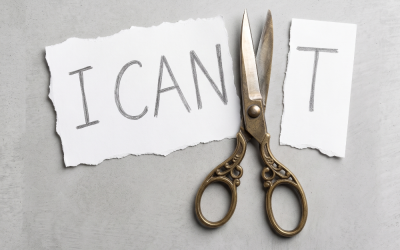
The Science Behind Self-Confidence: What Research Reveals About Building Belief in Yourself…
Most self-confidence articles are a great way to get quick tips, but few explore what happens in your brain at the time you believe in yourself. Research reveals that confidence is nowhere near just positive thinking. In fact, it's a core cognitive process that...